

 Feed back
 Privacy Policy
In a country where milk has long been a staple of American diets, the rise of plant-based beverages USA marks a significant cultural and dietary shift. No longer confined to niche health stores, these dairy-free alternatives America are now found in nearly every grocery aisle, coffee shop, and school cafeteria. Whether driven by health concerns, environmental awareness, or simply taste, American consumers are increasingly choosing plant-based beverages USA over traditional dairy options. This article explores the factors behind this transformation, from the booming almond milk sales US to the growing oat drink trend, and how the sustainable drinks market is shaping the future of beverage consumption in the United States.
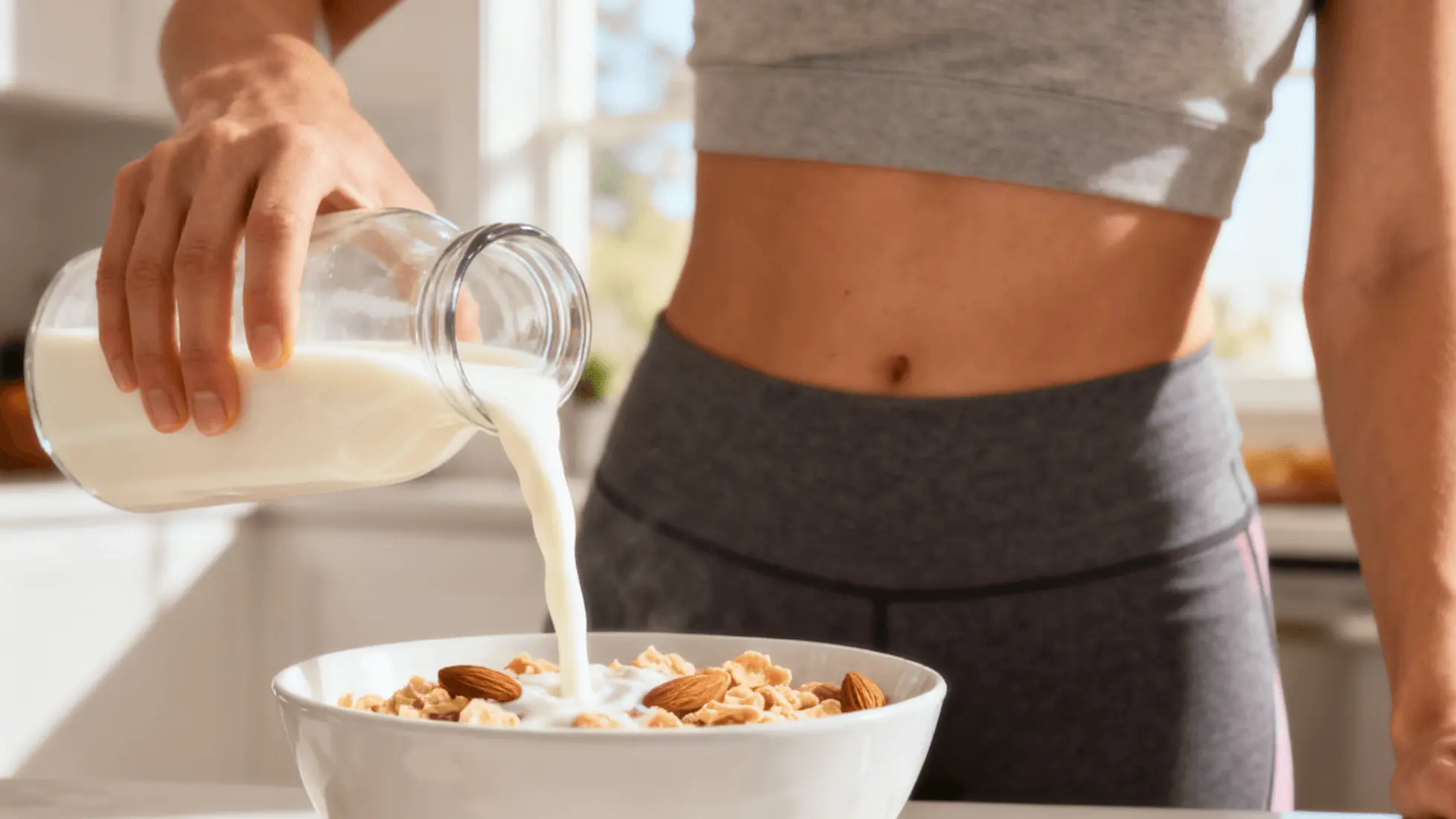
Almond milk has become a household name across the United States, symbolizing the broader shift toward plant-based beverages USA. Originally marketed to those with lactose intolerance or dairy allergies, almond milk has since become a go-to beverage for health-conscious consumers and those following vegan or paleo diets. Its popularity can be attributed to its naturally low calorie content, high calcium levels (when fortified), and versatility in both cooking and beverages.
Major brands such as Silk, Blue Diamond, and Almond Breeze have capitalized on this trend, offering a variety of flavors and formulations—from unsweetened to vanilla-flavored options—catering to diverse tastes. Retail giants like Walmart and Whole Foods have expanded their almond milk offerings, making it more accessible than ever. According to data from Nielsen, almond milk sales US reached $2.1 billion in 2023, accounting for more than half of the total plant-based milk market in the country.
The growth trajectory of almond milk sales US has been nothing short of impressive. From 2018 to 2023, the market experienced a compound annual growth rate (CAGR) of 8.4%, with sales steadily climbing year after year. This growth has been fueled by several key factors:
In addition, the rise of plant-based diets and the influence of celebrities and influencers who promote almond milk have further boosted its appeal. For instance, actress and activist Natalie Portman has been vocal about her preference for almond milk, contributing to its image as a premium, health-focused beverage.
Oat milk has emerged as a formidable contender in the plant-based beverages USA landscape, with its creamy texture and mild flavor making it a favorite among baristas and consumers alike. Originally popular in Scandinavian countries, where oats are a dietary staple, oat milk made its way to the US in the early 2010s. Brands like Oatly led the charge, positioning oat milk as not only a dairy-free alternatives America but also a sustainable and ethical choice.
Oat milk's appeal lies in its balance of nutrition and sustainability. It contains more protein and fiber than almond milk and is often fortified with vitamins and minerals such as B12 and D. Moreover, oat milk production requires less water than almond milk and has a lower carbon footprint than dairy milk, making it a preferred option for environmentally conscious consumers.
The oat drink trend is more than just a passing fad—it reflects a broader shift in consumer priorities. According to SPINS, oat milk sales in the US grew by 21% in 2023 alone, outpacing both almond and soy milk. This growth is particularly pronounced in urban centers and among younger consumers.
Several factors are driving the oat drink trend:
With more brands entering the market and new product innovations on the horizon, the oat drink trend is expected to continue its upward trajectory.
The sustainable drinks market is expanding rapidly, with plant-based beverages USA at the forefront of this movement. As climate change and environmental degradation become more pressing concerns, consumers are increasingly aware of the ecological footprint of their dietary choices.
Compared to traditional dairy milk, plant-based beverages generally have a lower environmental impact. For instance, according to research from the University of Oxford, producing a liter of cow's milk generates around 3.2 kg of CO2-equivalent emissions. In contrast, oat milk emits just 0.9 kg, and almond milk emits 0.7 kg per liter. Water usage is also significantly lower for plant-based options—almond milk requires about 371 liters of water per liter of milk, while oat milk requires only 48 liters.
This makes plant-based beverages USA not only a health-conscious choice but also an environmentally responsible one. As awareness of these issues grows, so too does the demand for sustainable drinks market products.
Consumer behavior is evolving rapidly, with sustainability becoming a key purchasing criterion. Nielsen's 2023 Global Sustainability Report found that 66% of global consumers are willing to pay more for sustainable products, with millennials and Gen Z leading the charge.
In the US, this trend is particularly strong among younger demographics, with 73% of millennials expressing a preference for brands that align with their values. This has led to a surge in demand for plant-based beverages USA that are not only nutritious but also ethically and environmentally sound.
Moreover, companies are responding to this demand by adopting sustainable sourcing practices, reducing packaging waste, and investing in carbon-neutral production methods. This alignment between consumer values and corporate responsibility is driving the sustainable drinks market forward.
The dairy-free alternatives America market is experiencing a wave of innovation, with new products and formulations constantly entering the market. From cashew milk to pea protein-based beverages, the variety of options available to consumers is expanding rapidly.
One of the most notable developments is the entry of major dairy companies into the plant-based space. Companies like Danone and Nestlé are launching their own lines of plant-based beverages, signaling a major shift in industry dynamics. This increased competition is driving innovation in flavor, texture, and nutritional content.
Additionally, the rise of direct-to-consumer (DTC) brands and subscription services is making it easier than ever for consumers to access a wide range of dairy-free alternatives America products. Brands like Ripple Foods and Elmhurst Milked are leveraging e-commerce platforms to reach consumers directly, bypassing traditional retail channels.
The sustainable drinks market is poised for continued growth, driven by several key trends:
These developments suggest that the sustainable drinks market will continue to evolve, offering consumers more choices and better options for both personal health and planetary well-being.
As the demand for plant-based beverages USA continues to grow, it is clear that these products are not just a temporary trend but a fundamental shift in the American beverage landscape. From the enduring popularity of almond milk sales US to the rising oat drink trend, and the increasing importance of the sustainable drinks market, the future of American beverages is being rewritten. Whether driven by health, environmental concerns, or taste, consumers are voting with their wallets—and the results are reshaping the industry for generations to come.
【Disclaimer】The content regarding The Rise of Plant-Based Drinks in the United States and related topics in this article is for reference only and does not constitute professional advice in any relevant field. Readers should make decisions based on their own circumstances and exercise caution, consulting qualified professionals when necessary. The author and publisher shall not be held responsible for any consequences resulting from actions taken based on the content of this article.
Hansen
|
2025.09.19


