

 Feed back
 Privacy Policy
The sparkling water popularity USA phenomenon has fundamentally altered beverage consumption patterns nationwide. What began as a niche preference among health-conscious consumers has evolved into a $4.8 billion industry, displacing traditional sodas and reshaping the bottled water market shift towards carbonated alternatives. This seismic change reflects evolving attitudes about sugar reduction, ingredient transparency, and environmental responsibility—all converging to make zero-calorie drinks US consumers prefer the new standard for refreshment.
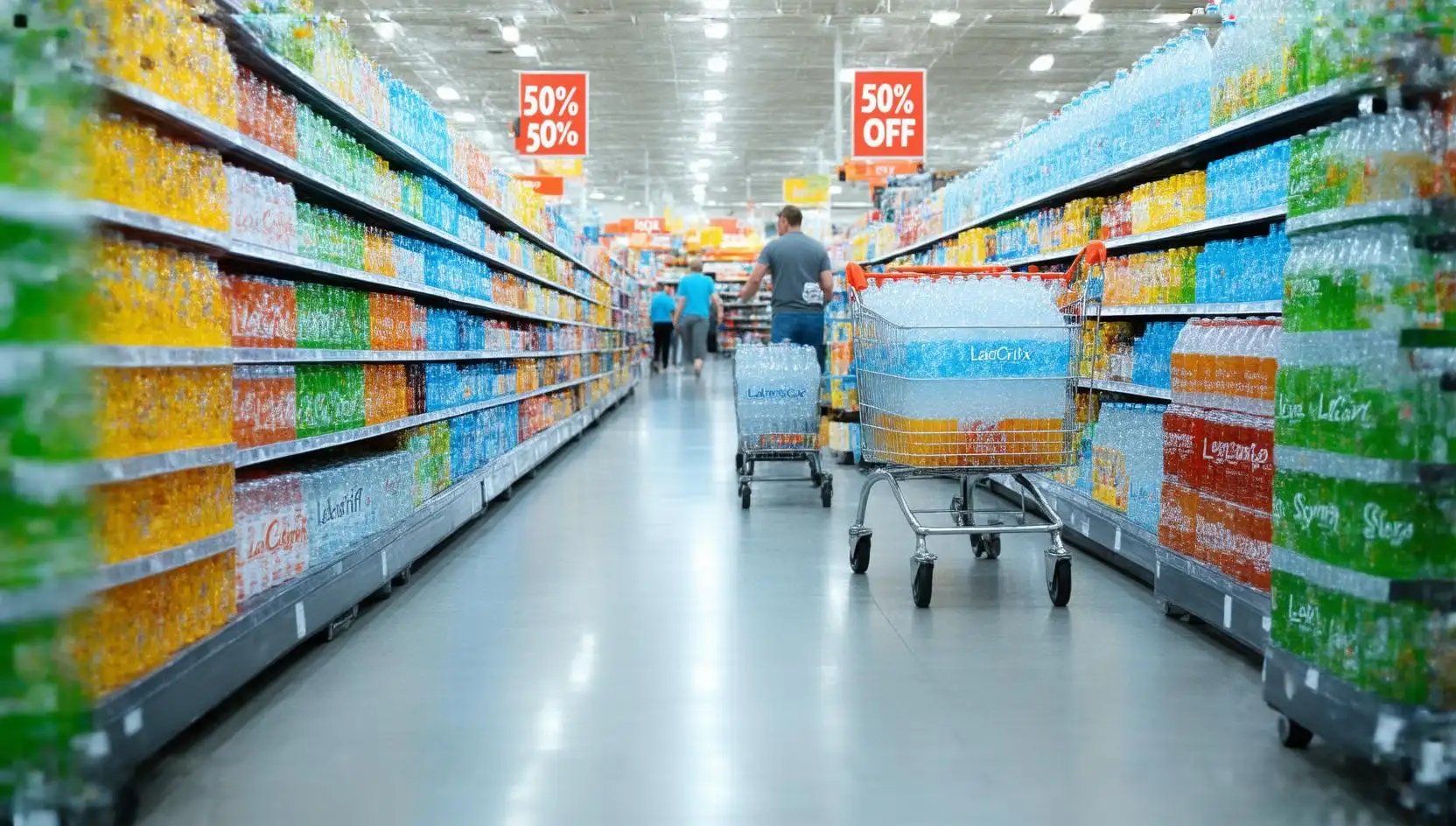
The flavored seltzer trend gained critical momentum between 2015-2018 when millennials—representing 72 million potential consumers—beg systematically rejecting sugary sodas. NielsenIQ data shows this demographic reduced soda consumption by 25% during that period while increasing sparkling water purchases by 183%. LaCroix's strategic positioning as a "better-for-you" alternative with its pastel-colored cans and French-inspired flavor names ("Pamplemousse," "Mûre") perfectly captured this shift, achieving 50% annual growth from 2014-2017.
Beverage Marketing Corporation reports the U.S. sparkling water market grew from $1.2 billion in 2015 to $4.8 billion in 2023—quadrupling in eight years. This 18% compound annual growth rate dwarfs the 1.6% decline in traditional soda sales during the same period. Notably, private label brands like Walmart's "Great Value" sparkling water saw 37% sales growth from 2021-2023, indicating mainstream adoption across income levels.
The CDC reports 42% of American adults are obese, creating enormous demand for zero-calorie drinks US consumers trust. Unlike diet sodas containing aspartame, most sparkling waters use only carbonated water and natural flavors. A 2022 Pew Research study found 68% of Americans actively avoid artificial sweeteners—a key factor in the sparkling water popularity USA surge. Registered dietitian Dr. Elena Rodriguez notes, "The oral satisfaction of carbonation satisfies cravings without blood sugar spikes."
The bottled water market shift toward sustainability is accelerating. PepsiCo's Bubly switched to 100% recyclable aluminum cans in 2021, reducing its carbon footprint by 30% compared to plastic bottles. Home carbonation systems like SodaStream (reporting 78% user adoption for environmental reasons) allow consumers to make sparkling water for $0.30/liter versus $1.50-$3.00 for pre-packaged options—saving money while cutting plastic waste.
As LaCroix competitors multiplied, market share fragmented. IRI data shows LaCroix's dominance fell from 50% in 2017 to 22% in 2023 as PepsiCo's Bubly captured 14% and Coca-Cola's AHA gained 8%. Independent brands like Spindrift—using real fruit juice instead of natural flavors—carved a 5% niche among clean-label purists. This competition has driven innovation across flavor profiles, packaging, and marketing strategies.
Mintel Group reports a 62% increase in average SKUs per brand from 2020-2023, with adventurous flavors like jalapeño-lemon and raspberry-rose emerging. Canned formats now comprise 78% of sales due to portability and recyclability. Regional preferences have emerged—Northeast consumers favor berry blends, while Southerners prefer citrus and West Coast buyers choose tropical flavors—enabling targeted product development.
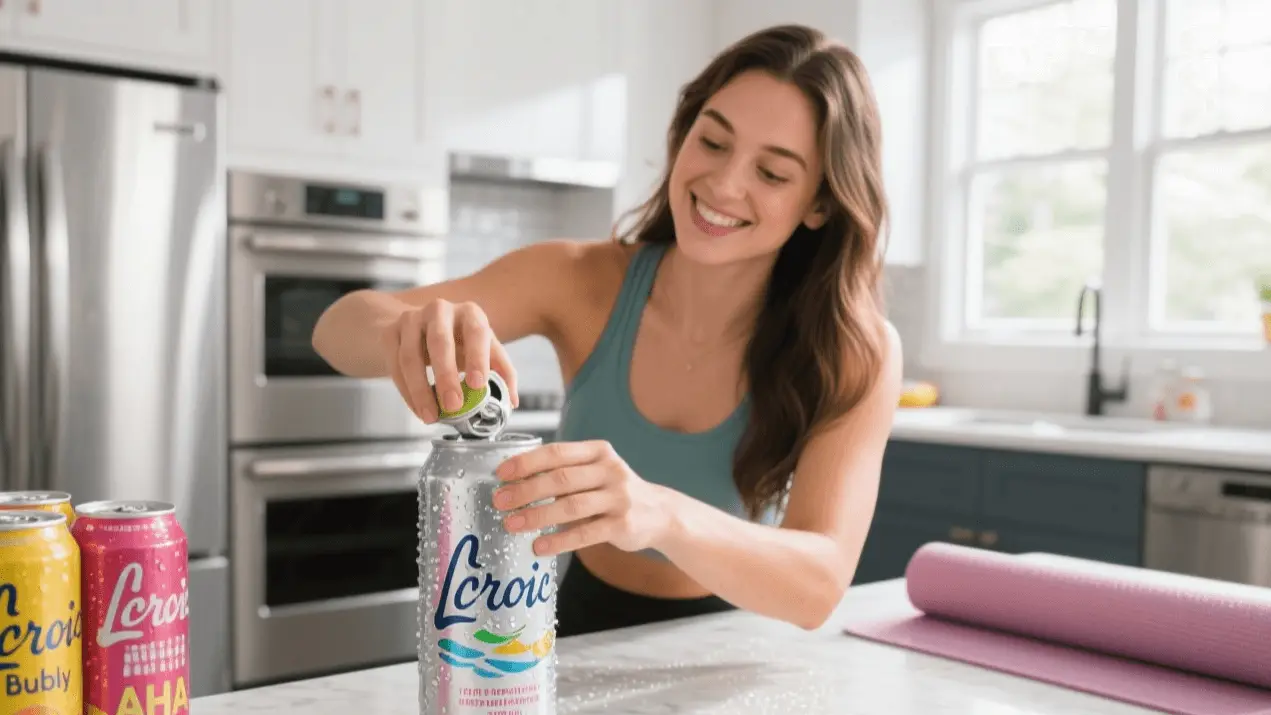
The sparkling water popularity USA movement shows no signs of slowing. Nielsen reports 41% of U.S. households tried a new sparkling water brand in 2022, indicating sustained consumer interest. As Generation Z enters the market with even stronger health and environmental consciousness than millennials, the flavored seltzer trend will likely continue displacing traditional sodas and still waters alike.
【Disclaimer】
The content provided regarding is for informational purposes only and does not constitute professional advice. Readers should consult qualified experts before making decisions based on this information. The author and publisher disclaim any liability for actions taken based on this content.
Thompson
|
2025.09.19


