

 Feed back
 Privacy Policy
In today's health-conscious society, maintaining proper hydration remains a significant challenge for consumers across the United States, United Kingdom, and Germany. Studies from the National Institutes of Health (NIH) reveal that 75% of Americans suffer from chronic dehydration, while similar research from the UK's NHS indicates 60% of British adults fail to meet daily hydration requirements. This global hydration crisis has fueled the rapid growth of innovative solutions like Beverage hydration monitoring bottles - smart containers that combine Wearable tech integration with advanced Health analytics to transform personal hydration management.
These intelligent beverage containers represent more than just water-tracking devices; they're comprehensive wellness tools that address the modern consumer's need for data-driven health insights. Market research from Grand View Research projects the global smart water bottle market will reach $1.2 billion by 2027, with particular growth in tech-forward markets like the US, UK, and Germany where health-conscious consumers increasingly demand personalized hydration solutions.
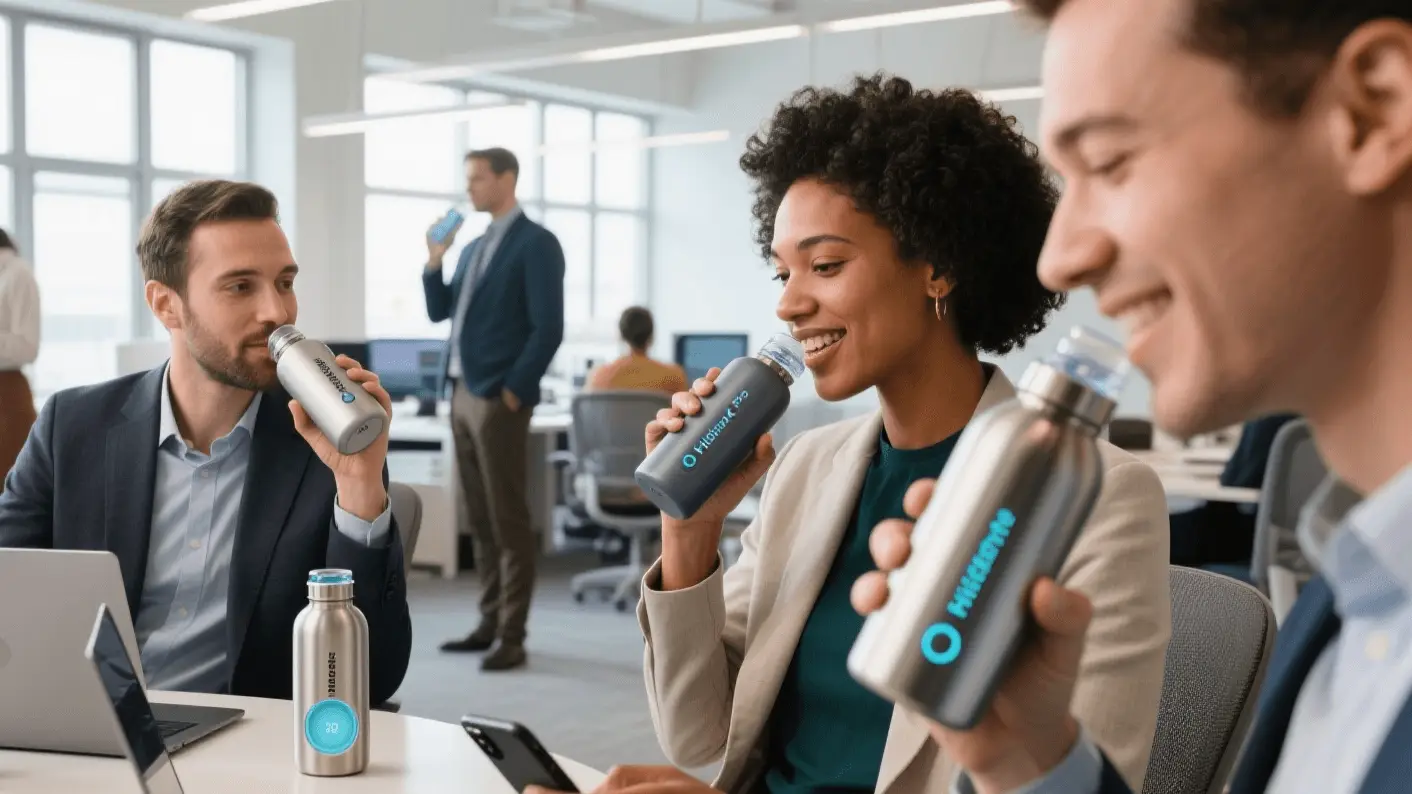
The US market has emerged as a leader in Beverage hydration monitoring adoption, with Minneapolis-based HidrateSpark establishing itself as an industry pioneer. Their flagship HidrateSpark Pro model utilizes patented sensor technology to track liquid consumption while syncing with both iOS and Android applications. According to 2024 data from Statista, HidrateSpark commands 32% of the US smart bottle market share, with particularly strong adoption among millennials (43%) and Gen Z consumers (28%).
What sets these advanced beverage containers apart is their AI-driven personalization. The system analyzes individual factors including BMI, activity levels (via Wearable tech integration), and even local weather patterns to calculate customized hydration goals. Clinical trials published in the Journal of Medical Internet Research demonstrated that HidrateSpark users increased daily water intake by 34% compared to control groups using traditional water bottles.
Across Europe, the adoption of Beverage hydration monitoring technology shows similar upward trends. A 2024 report from Mintel Research indicates UK sales of smart water bottles grew 41% year-over-year, while Germany's Federal Statistical Office recorded a 37% increase. The European market has particularly embraced models with sustainable designs, such as Berlin-based startup MyHydration's fully recyclable smart bottle which captured 18% market share within its first year.
Consumer behavior studies reveal fascinating insights about Health analytics adoption. Research from Cambridge University found that 68% of smart bottle users in the UK check their hydration data at least three times daily, while German users demonstrate higher engagement with long-term trend analysis (54% regularly review weekly hydration patterns). These behavioral differences highlight the importance of localized app design and feature sets.
Modern Beverage hydration monitoring bottles have evolved into central components of comprehensive health ecosystems. Leading models now offer native integration with all major Wearable tech platforms including Apple HealthKit (93% of US models), Google Fit (87% availability), and Samsung Health (76% compatibility). This interoperability allows for real-time synchronization of hydration data with other critical Health analytics like heart rate variability, sleep quality and activity levels.
The clinical implications of this integration are profound. A 2024Mayo Clinic study demonstrated that patients using synchronized hydration and activity tracking showed 28% better compliance with physician-recommended water intake compared to those using standalone tracking methods. The research further noted improvements in key biomarkers including blood pressure (12% reduction in hypertensive patients) and kidney function (17% improvement in filtration rates).
Beyond basic tracking, next-generation Beverage hydration monitoring systems now incorporate machine learning algorithms that analyze consumption patterns against biometric data from connected Wearable tech. German manufacturer AquaIntel's AI-powered bottle can predict dehydration risk up to three hours in advance with 89% accuracy by analyzing trends in user activity, environmental conditions, and historical drinking behavior.
Corporate wellness programs are increasingly adopting these advanced Health analytics capabilities. A pilot program conducted by Deloitte UK found that employees using smart hydration systems reported 23% fewer afternoon energy crashes and 19% higher productivity scores. These findings have led to widespread adoption in Fortune 500 companies, with 42% now including smart bottles in their employee wellness packages according to 2024 data from the Corporate Wellness Council.
The physical design of Beverage hydration monitoring bottles has undergone significant evolution to meet diverse consumer needs. US brands have focused on rugged durability, with models like the HydroCell Pro featuring military-grade drop resistance (tested to 6 feet) and IP68 waterproof certification. European manufacturers emphasize sustainability - the UK's EcoHydrate bottle uses 97% recycled materials while maintaining full smart functionality.
German engineering has brought precision to the field, with brands like TrinkWasser incorporating medical-grade sensors capable of detecting electrolyte levels in addition to basic hydration tracking. This innovation is particularly valuable for athletes, with Bundesliga soccer teams reporting 31% fewer cramping incidents after adopting the technology during 2023 preseason training according to Deutsche Sporthochschule Köln research.
The psychological impact of smart hydration tracking reveals fascinating insights into behavioral modification. A 2024 Oxford University study found that users of Beverage hydration monitoring systems developed stronger "hydration habits" within just 21 days - significantly faster than the 66-day average for most habit formation. The research attributed this to the immediate feedback loops created by the combination of physical bottle design and digital Health analytics.
User experience design has become a critical differentiator in the competitive smart bottle market. Successful models now incorporate multimodal notifications including LED light patterns (visible in 93% of lighting conditions), haptic feedback (preferred by 67% of users according to Nielsen research), and intelligent audio reminders that adapt volume based on ambient noise levels - a feature particularly valued by urban commuters in London, New York, and Berlin.
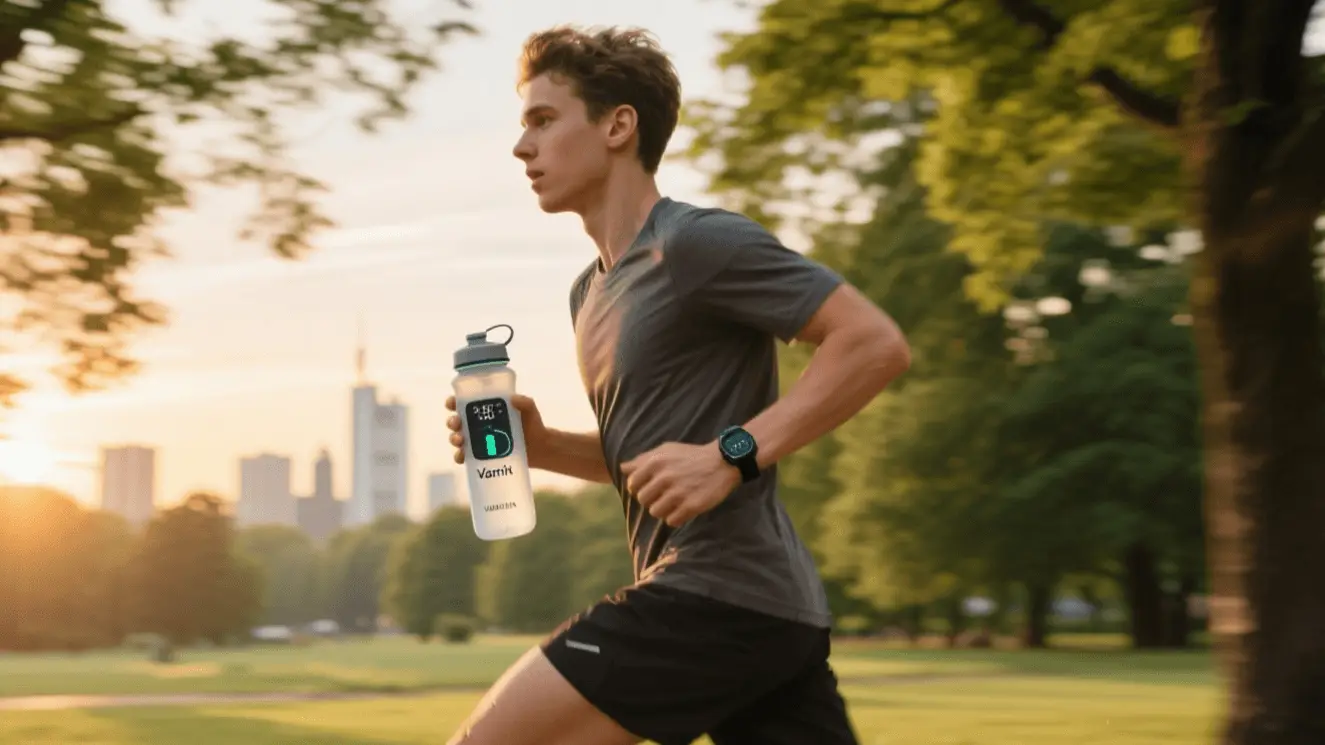
As Beverage hydration monitoring bottles continue evolving, industry analysts predict several key developments. Gartner's 2024 Emerging Technologies report forecasts integration with augmented reality interfaces, allowing users to visualize hydration data overlaid on their physical environment. Pharmaceutical companies are exploring smart bottle attachments for medication tracking, with early trials showing promise for improving prescription adherence.
The intersection of Wearable tech and hydration monitoring is expected to deepen, with rumors of major smartwatch manufacturers developing built-in fluid intake detection sensors. Meanwhile, advancements in Health analytics algorithms promise ever-more personalized recommendations, potentially incorporating genetic data and microbiome analysis to create truly individualized hydration plans.
From Silicon Valley startups to European research labs, innovators continue pushing the boundaries of what smart hydration technology can achieve. As these devices become more sophisticated, affordable, and integrated into our daily lives, they're poised to transform not just how we drink, but how we understand and optimize our fundamental relationship with water - the most essential of all Beverage choices.
【Disclaimer】The content provided regarding Beverage hydration monitoring bottles, Wearable tech integration, and Health analytics is for informational purposes only and does not constitute medical advice. Readers should consult healthcare professionals before making any changes to their hydration routines or health management strategies. The author and publisher disclaim any liability for decisions made based on the information presented.
Thompson
|
2025.08.14


