

 Feed back
 Privacy Policy
The global beverage industry faces unprecedented pressure to adopt Beverage sustainable packaging solutions as environmental concerns reach critical levels. With over 8 million tons of plastic entering oceans annually (National Geographic, 2022) and beverage packaging accounting for 14% of all plastic waste (Ellen MacArthur Foundation, 2023), companies must radically transform their packaging strategies to meet evolving Green consumerism demands and comply with tightening regulations across the US, Germany, and UK markets.
PepsiCo's recent launch of 100% rPET bottles across its European markets demonstrates how Beverage sustainable packaging solutions can achieve commercial viability while reducing carbon footprint by 30% compared to virgin plastic (PepsiCo Sustainability Report, 2023). Similarly, German beverage giant Gerolsteiner has implemented a returnable glass bottle system with 40+ reuse cycles, achieving a 95% return rate through its deposit scheme (Federal Environment Agency Germany, 2023).
UK-based Diageo made headlines with its paper-based spirits bottle prototype, eliminating plastic from premium alcohol packaging through breakthrough biomaterial technology. This innovation aligns with the UK Plastics Pact's target to eliminate problematic plastic packaging by 2025 (WRAP, 2023).
The transition to Beverage sustainable packaging solutions shows measurable results: the US beverage container recycling rate improved from 29% to 33% between 2018-2022 (EPA), while Germany's deposit system maintains 98.5% PET bottle recycling rates (GVM, 2023). Notably, aluminum can recycling saves 95% energy versus virgin production (Aluminum Association, 2023), making it a key component in the Circular economy transition.
Carbon footprint analysis reveals that beverage companies adopting sustainable packaging reduced Scope 3 emissions by 12-18% annually (CDP, 2023), with Nestlé Waters achieving 35% reduction through lightweighting and recycled content (Nestlé ESG Report, 2023).
The Circular economy model demands fundamental redesign of beverage packaging: Coca-Cola's universal bottle design allows cross-brand reuse in European markets, while Carlsberg's Snap Pack eliminates plastic rings through adhesive technology, reducing packaging waste by 76% (Carlsberg Group, 2023).
Material innovation plays a crucial role: Paboco's paper bottle consortium (including Coca-Cola and Absolut) has developed bio-based barriers that maintain product quality while ensuring compostability. Meanwhile, startups like Notpla create edible seaweed-based packaging for sports drinks and mixers, demonstrating the potential for disruptive Beverage sustainable packaging solutions.
Germany's successful Pfand system demonstrates how standardized infrastructure enables Circular economy models, with 5.8 billion bottles annually entering closed-loop systems (Deutsche Pfandsystem GmbH, 2023). In contrast, the US faces challenges with 10,000+ different recycling regulations across jurisdictions (The Recycling Partnership, 2023), prompting companies like Keurig Dr Pepper to invest $100 million in recycling infrastructure.
Digital solutions are bridging gaps: smart bins with AI-powered sorting (UK-based Greyparrot) and blockchain-enabled deposit systems (SAP's German pilot) improve traceability and recovery rates, addressing key obstacles in implementing Beverage sustainable packaging solutions at scale.
NielsenIQ data reveals 78% of US consumers consider sustainable packaging important (2023), with 64% willing to pay premium prices - figures rising to 83% in Germany and 79% in UK (Eurobarometer, 2023). This Green consumerism trend particularly resonates with millennials, 86% of whom expect brands to demonstrate environmental responsibility (Deloitte, 2023).
The plant-based beverage sector exemplifies this shift: Oatly's Tetra Pak cartons (82% renewable materials) and Ripple's carbon-negative pea protein bottles demonstrate how Beverage sustainable packaging solutions create competitive advantage in fast-growing market segments projected to reach $115 billion globally by 2030 (Grand View Research, 2023).
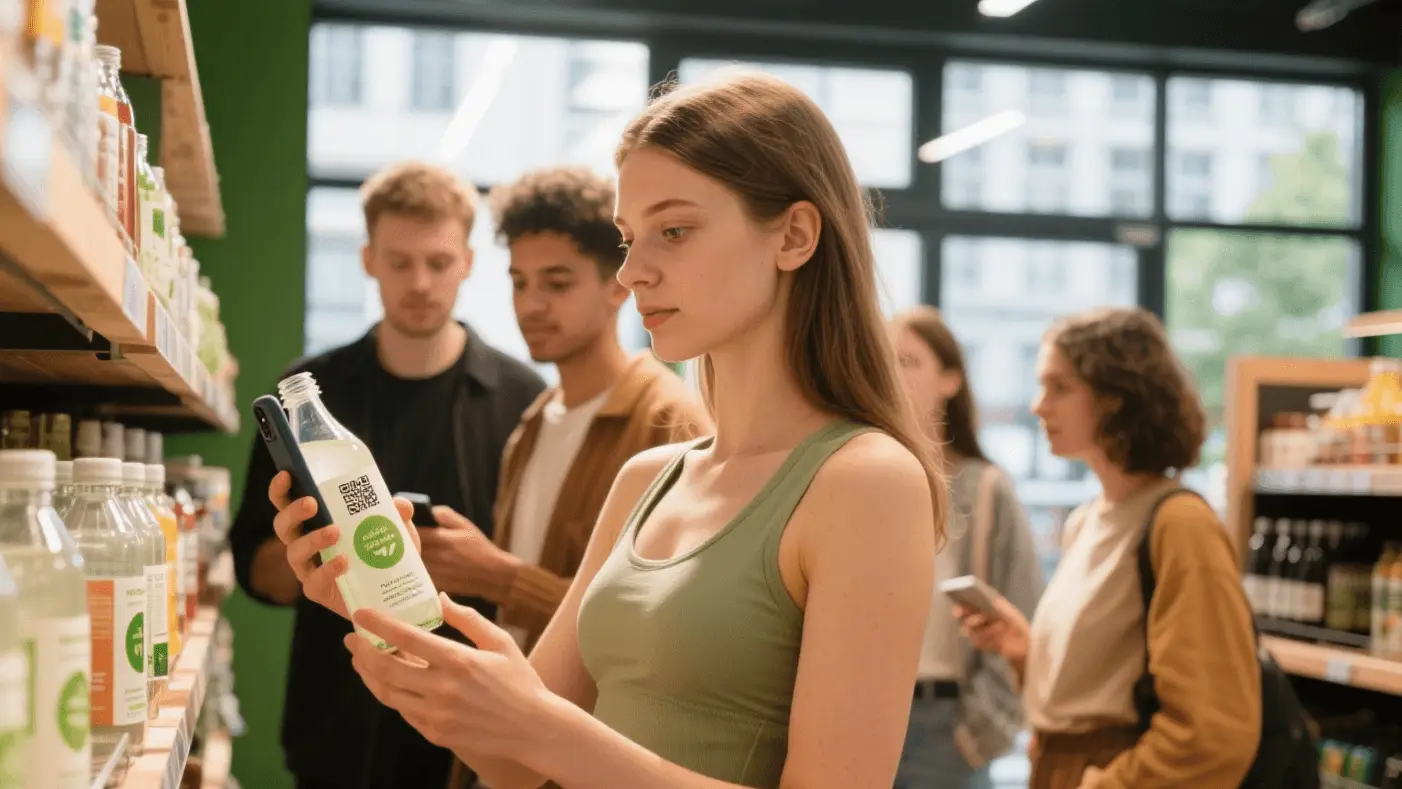
Danone's "Carbon Impact Label" on Evian bottles and BrewDog's "Tomorrow's Packaging Today" initiative showcase how leading brands communicate sustainability efforts. Digital watermarking technology (HolyGrail 2.0 project) enables precise recycling instructions and lifecycle tracking, addressing consumer demand for transparency in Green consumerism.
Regulatory pressures reinforce this trend: EU's Packaging and Packaging Waste Regulation (PPWR) mandates 65% recycling rates by 2025, while California's SB 54 requires 65% packaging reduction by 2032 - forcing beverage companies to accelerate Beverage sustainable packaging solutions adoption.
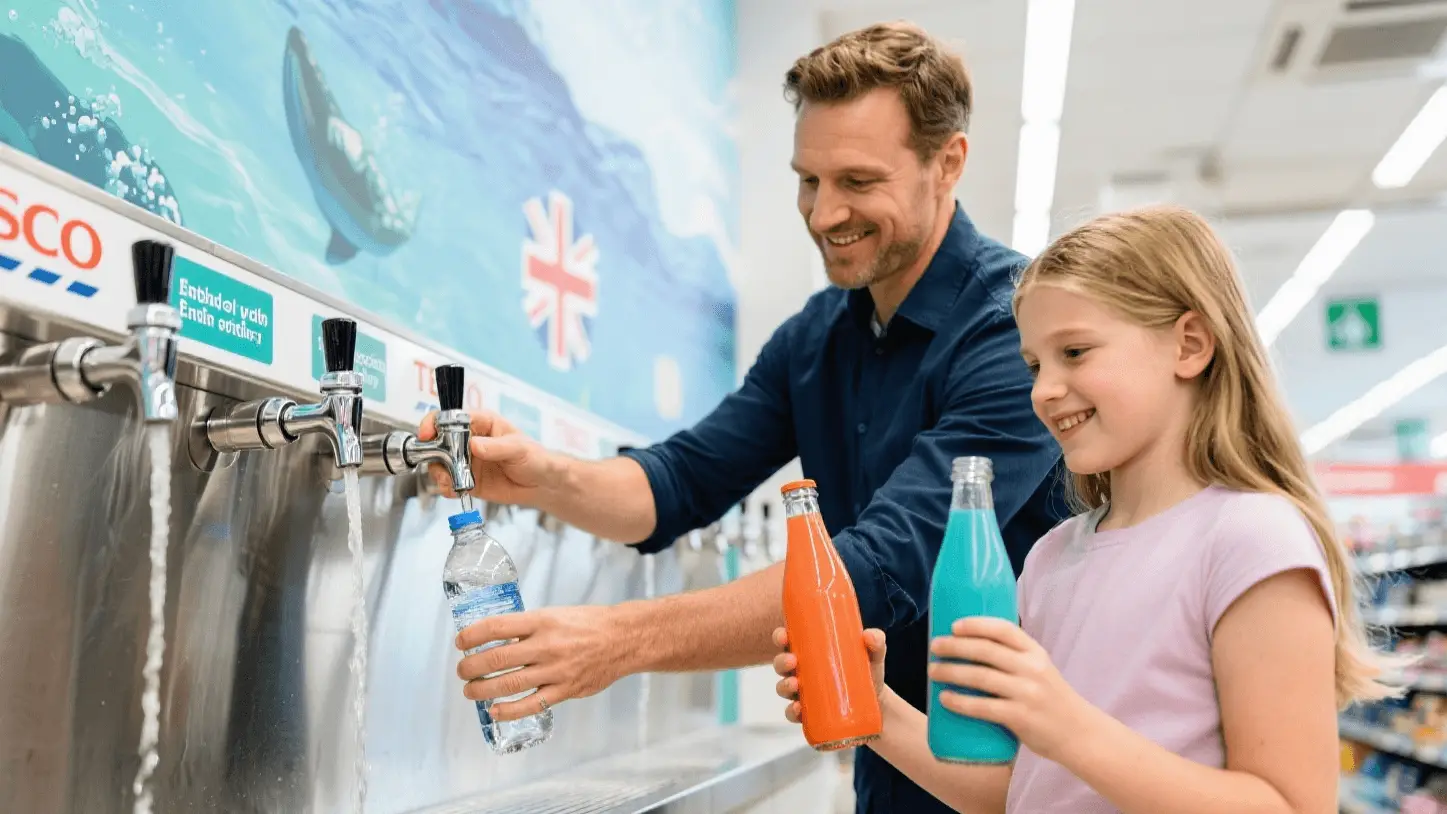
The beverage industry's transition to sustainable packaging will accelerate through three key developments: 1) Advanced chemical recycling technologies enabling food-grade rPET production (LanzaTech, Carbios), 2) Expansion of reuse systems (Tesco's UK refill trials, Germany's standardized bottle pool), and 3) Biomaterial breakthroughs (Xampla's plant protein films, Shellworks' microbial cellulose).
Collaboration remains critical: The US Plastics Pact unites 100+ organizations behind 2025 targets, while the Ellen MacArthur Foundation's global network drives Circular economy innovation. As investment in sustainable packaging grows ($18.6 billion in 2022 per PitchBook), beverage companies must balance environmental goals with commercial realities in implementing Beverage sustainable packaging solutions.
What are emerging materials in beverage sustainable packaging? Beyond rPET and aluminum, novel solutions include PEF (plant-based polyester), mycoprotein packaging (Meati), and water-soluble films (MonoSol).
How does legislation differ across markets? Germany mandates deposit return systems, UK implements plastic taxes, while US has state-level Extended Producer Responsibility laws - creating varied adoption landscapes for Beverage sustainable packaging solutions.
What's the cost premium for sustainable packaging? Current premiums range 5-2% depending on material and scale, but economies of scale and technology improvements are rapidly closing this gap (McKinsey, 2023).
[Disclaimer] The content provided regarding Sustainable Packaging Solutions in Beverage Industry is for informational purposes only and does not constitute professional advice. Readers should consult qualified experts before making business decisions based on this information. The author and publisher disclaim liability for any actions taken based on this content.
Müller
|
2025.08.14


