

 Feed back
 Privacy Policy
The American beverage landscape is undergoing a radical transformation as health-conscious consumers increasingly favor low-calorie beverages with natural sweeteners in the US over traditional sugary drinks. With obesity rates reaching 42.4% among US adults (CDC 2021) and growing awareness of sugar's health impacts, the market for innovative, better-for-you beverages has never been stronger. This seismic shift represents more than just changing consumer preferences - it's a fundamental reimagining of what constitutes a refreshing drink in today's wellness-focused culture.
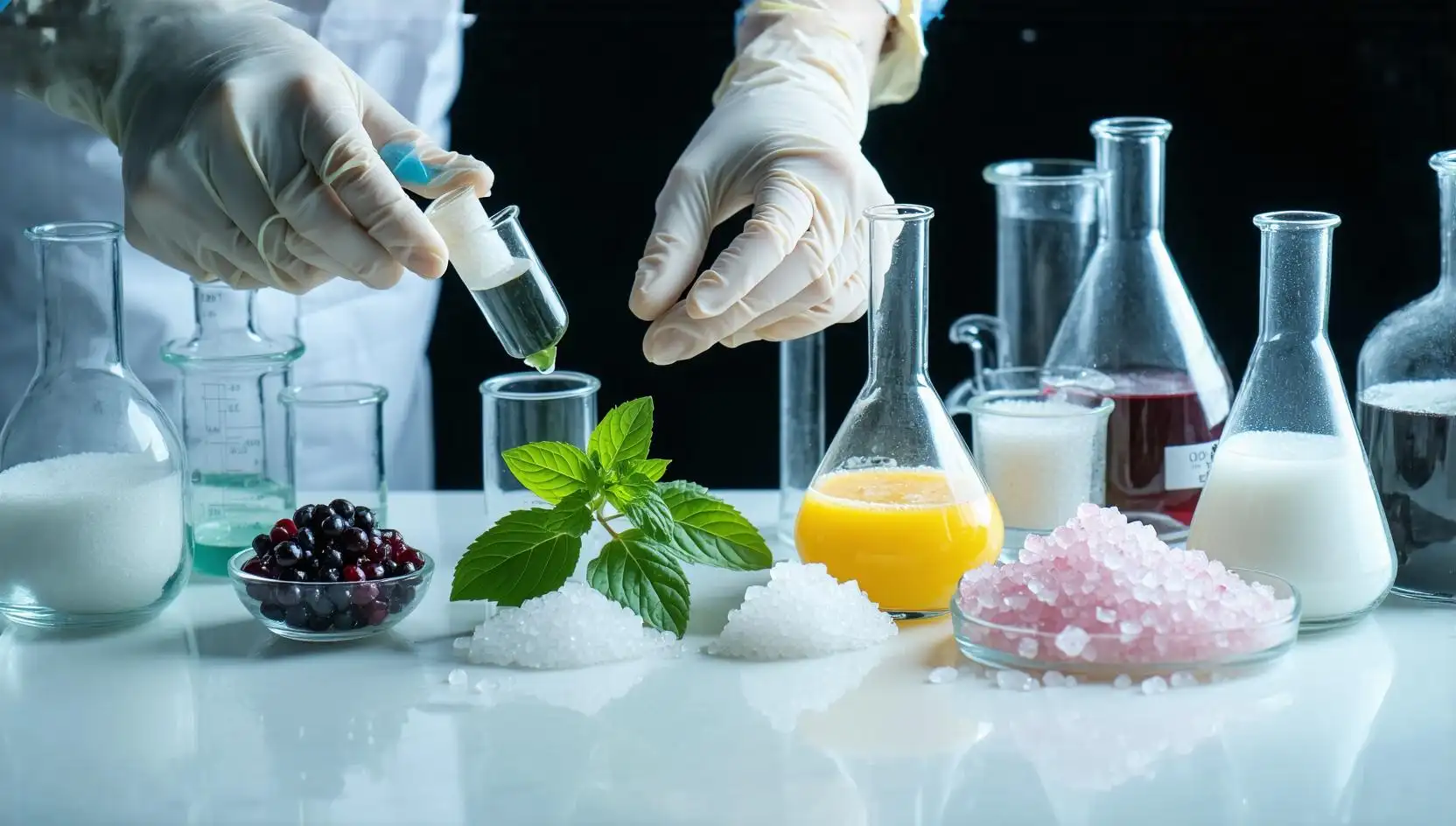
The demand for low-calorie beverages correlates directly with mounting scientific evidence about sugar's health risks. A 2023 Journal of Nutrition study found that regular soda drinkers had 26% higher risks of developing metabolic syndrome. In response, industry giants have reformulated iconic brands while startups pioneer entirely new categories. PepsiCo's reformulation of Gatorade with stevia and monk fruit sweeteners resulted in a 17% sales increase (Beverage Digest 2023), demonstrating consumers' willingness to embrace reduced-sugar versions of familiar products when taste expectations are met.
The low-calorie beverages with natural sweeteners in the US market grew at a 6.2% CAGR from 2020-2023 (Statista), outpacing the overall beverage sector's 1.8% growth. Natural sweetener adoption has been particularly striking, with stevia-based product launches increasing 320% since 2018 (Innova Market Insights). The financial implications are staggering - the global natural sweetener market is projected to reach $3.9 billion by 2027 (Allied Market Research), with North America accounting for 42% of demand.
Once hailed as miracle ingredients, artificial sweeteners like aspartame and sucralose now face significant consumer skepticism. A 2023 International Food Information Council survey revealed 61% of US consumers actively avoid artificial sweeteners, up from 49% in 2020. This shift stems from emerging research linking certain synthetic sweeteners to gut microbiome alterations (Cell 2022 study) and paradoxical metabolic effects. The food industry has responded rapidly, with 87% of new reduced-sugar product launches in 2023 featuring natural sweetener alternatives (Mintel GNPD).
Today's most successful beverage innovation strategies combine multiple natural sweeteners to achieve optimal taste profiles. Zevia's proprietary blend of stevia and monk fruit achieves 95% taste parity with full-sugar sodas in blind tests (2023 company whitepaper). Meanwhile, electrolyte brand Ultima combines erythritol with stevia leaf extract to eliminate the bitter aftertaste that once limited natural sweetener adoption. These technical breakthroughs have enabled natural sweeteners to move beyond niche products into mainstream beverage categories.
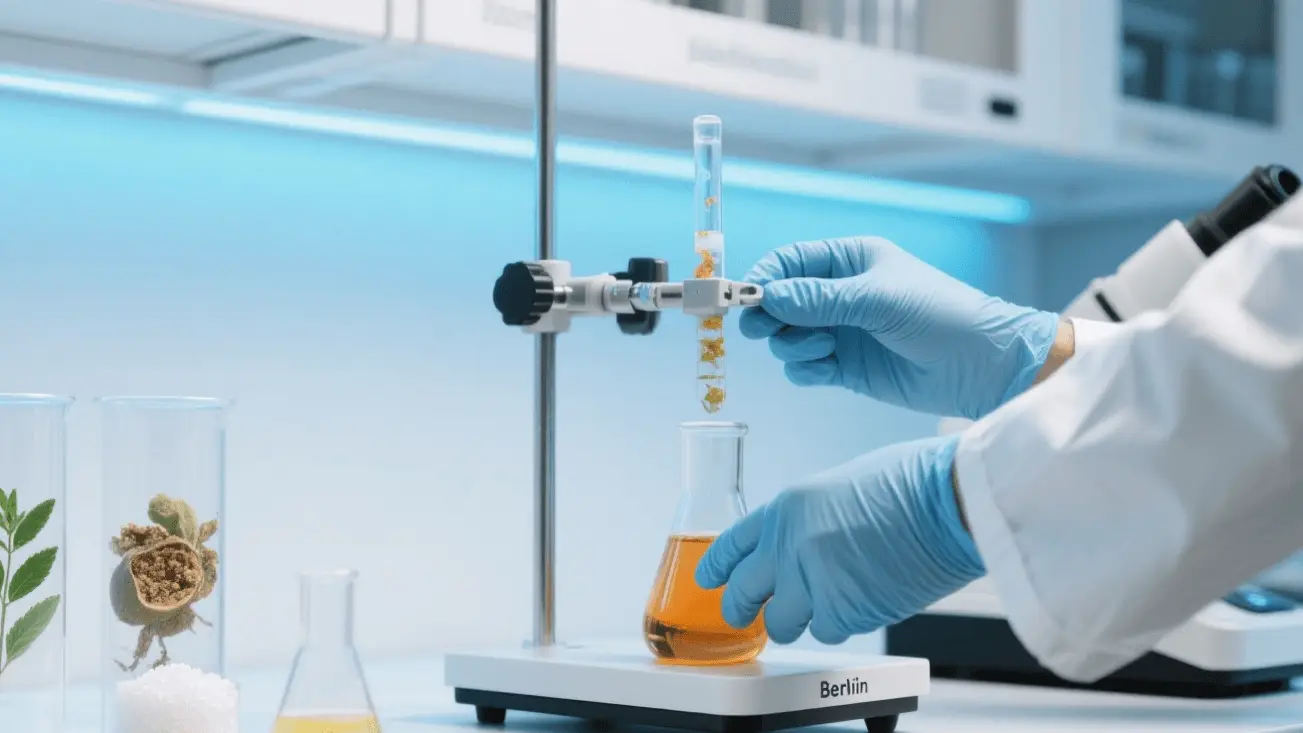
The most successful low-calorie beverages now deliver additional health benefits beyond sugar reduction. Olipop combines prebiotic fiber with natural sweeteners to support gut health, achieving $100 million in annual sales within three years of launch. Similarly, Cure Hydration's electrolyte mixes use organic coconut sugar and stevia while providing 3x the electrolytes of conventional sports drinks. This functional enhancement strategy commands premium pricing - functional low-calorie beverages average $3.99 per unit compared to $2.49 for conventional options (IRI 2023 data).
Exciting flavor developments are broadening low-calorie beverages with natural sweeteners in the US beyond traditional cola and lemon-lime profiles. Emerging brands like Poppi (apple cider vinegar base) and Culture Pop (fermented flavors) demonstrate how unconventional combinations can attract new demographics. The flavor innovation trend shows no signs of slowing, with 43% more unique flavor launches in 2023 versus 2022 (FlavorSum market analysis).
While low-calorie beverages reduce sugar intake by 75-100%, their health impact depends on formulation. Those with natural sweeteners, added nutrients, and minimal additives generally offer superior nutritional profiles. However, water remains the healthiest hydration choice for most individuals.
Stevia, monk fruit, and erythritol are considered safest based on extensive research. The FDA has granted these natural sweeteners GRAS (Generally Recognized As Safe) status, with no established upper intake limits for erythritol and monk fruit.
Modern beverage innovation has dramatically improved taste parity. In 2023 consumer testing by Sensory Spectrum, top-rated stevia-sweetened colas achieved 88% acceptance versus sugar-sweetened versions, up from just 62% in 2018.
Disclaimer: The information provided regarding Low-Calorie Beverages and the Rise of Natural Sweeteners in US Market is for general informational purposes only. All content represents market analysis rather than health advice. For specific dietary guidance, please consult with a qualified nutrition professional. The author and publisher assume no responsibility for any actions taken based upon the information contained herein.
Emma Richardson
|
2025.08.19


